

Menu
Dentistry · Dental Crowns
Dental Crowns in Antalya, Turkey
A crown can restore strength, function and appearance when a tooth genuinely requires full coverage. The key word is genuinely — this is an honest guide to when crowns are the right answer, when they aren’t, and how zirconium and ceramic options compare.
Ask Whether a Crown Is Right for Your ToothFree online consultation · personalised planning · clear treatment options
What is a dental crown?
A dental crown is a restoration that covers and protects a tooth — substantially more of it than a veneer, which mainly covers the front surface. Because a crown wraps the tooth, it can hold together and protect teeth that are significantly damaged, weakened, heavily restored or severely worn, and it is also how a single dental implant is finished.
Why might a crown be recommended?
Typical circumstances include significant structural damage, fracture, large existing restorations that are failing, severe wear, selected root-canal-treated teeth that need protection, and implant-supported restorations. In each case the common thread is the same: the tooth genuinely requires full coverage to survive and function.
Do dental crowns require shaving teeth, and could veneers be an alternative?
When a crown may be the right answer
- A tooth too damaged, worn or heavily filled to be predictably restored any other way
- A root-treated back tooth that needs protection from chewing forces
- Restoring a dental implant, or replacing a failing old crown
When a crown may not be the answer
A dental crown fitted to a natural tooth generally requires reshaping the tooth to make room for the restoration. Removing natural tooth structure is irreversible, and the amount of preparation depends on the tooth's condition and the treatment plan. Crowns can help restore or protect weakened or damaged teeth and may also improve appearance. If your main goal is cosmetic, ask whether veneers, composite bonding or another less extensive treatment could be appropriate. Your treating dentist should explain why a crown is recommended for each tooth, what preparation is expected and which alternatives were considered before you agree to your written plan.
Dental crown materials
Depending on availability and your case, materials may include zirconia, ceramic, lithium-disilicate (E.max) and other porcelain-based restorations. The right material depends on the tooth’s position, your bite, the remaining tooth structure, your aesthetic objectives and the clinical condition. Any warranty that applies is set out in your written treatment terms and is separate from how long a crown may last.
Crowns vs veneers — the difference that matters
Crowns cover substantially more tooth structure; veneers mainly cover the front surface. They have different clinical indications: crowns protect compromised teeth, veneers improve the appearance of fundamentally healthy ones — and veneers are not simply “thin crowns”. Crown preparation is generally more extensive, which is precisely why a crown should only be chosen when the tooth needs it. Read our full veneers guide to compare both routes.
Compare crowns with veneers and bonding
How crown treatment works
- 1 · Assessment and planning — examination, imaging and an honest discussion of whether a crown is needed at all.
- 2 · Preparation — some natural tooth structure is shaped to create the space a well-fitting crown requires.
- 3 · Temporary crown — where relevant, a temporary protects the prepared tooth while the laboratory makes the final restoration.
- 4 · Final fitting — fit, contact points, bite, shape and shade are checked with your feedback before the crown is permanently fixed.
Crown treatment is usually completed within a single trip; your written plan confirms the exact number of days for your case before you book anything.
Longevity and maintenance
Crowns are strong, but they are not indestructible. They can chip or fracture and may eventually need repair or replacement. Longevity varies with oral hygiene, bite forces, the condition of the supporting tooth and ongoing dental care. A written warranty period is not a prediction of how long a crown will last.
Living with dental crowns
For practical questions about eating, staining and long-term care, read Living with dental crowns.
Common questions
Do crowns require tooth shaving?
Yes — fitting a crown requires preparing the tooth, which removes some natural structure and is not reversible. That is exactly why we treat crowns as a clinical decision, not a cosmetic default, and consider less-invasive options first.
What is the difference between crowns and veneers?
Veneers cover mainly the front surface of a tooth and are generally used for selected cosmetic changes when the tooth is suitable. Crowns cover the whole tooth and are used when more extensive protection or restoration is needed. The treating dentist decides after assessing the remaining tooth structure, bite and existing restorations.
Which crown material is right for me?
It depends on the tooth’s position, your bite, the remaining structure and your aesthetic goals — there is no universally best material. The treating dentist recommends the option that fits your case and explains why.
Will crowns look natural?
Modern zirconia and ceramic crowns are designed tooth by tooth — shade, shape and proportion matched to your face and neighbouring teeth. You review the shade and shape as part of the fitting process, so nothing is fixed until it looks right.
Can a crowned tooth still need root canal treatment?
Yes — a crown protects the outside of a tooth, but the nerve inside can still become inflamed or infected. If that happens, root canal treatment may be carried out and the tooth restored again.
Can crowns chip, break or stain?
Porcelain surfaces can chip under heavy force and, unlike natural teeth, crowns don’t respond to whitening — though quality materials resist staining well. Sensible habits and a night guard if you grind protect them; repairs and eventual replacement are a normal part of a crown’s life cycle.
Not sure if your tooth needs a crown?
Send a few photos and any recent X-rays. New Look Smile Group coordinates an initial review and, where useful, a discussion with a treating dentist. Final suitability for a crown — or a more conservative option — is confirmed after clinical assessment.
Ask About Your Treatment OptionsCompare crown and Smile Makeover package options →

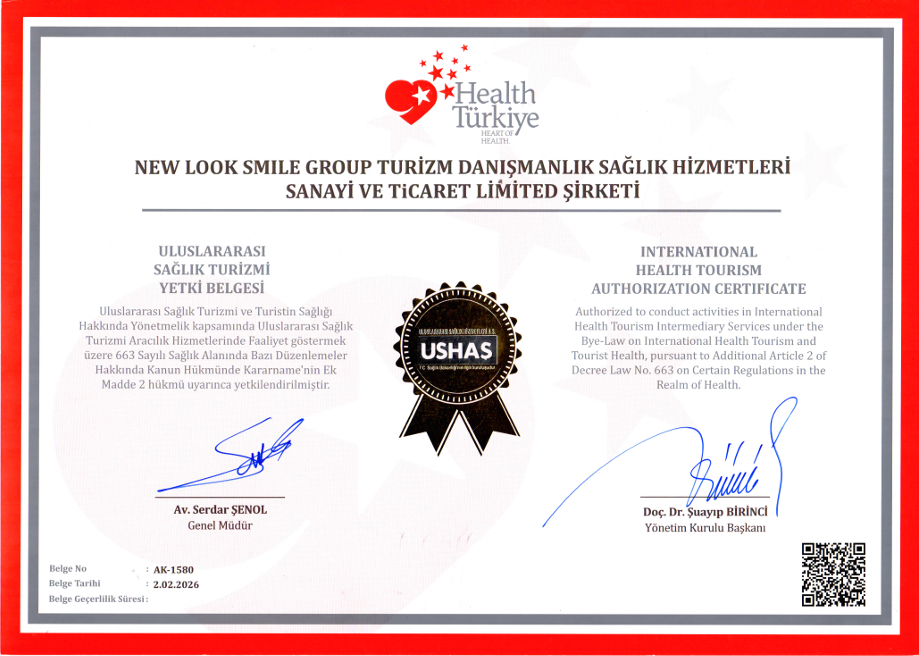
Ministry of Health Authorized — International Health Tourism Authorization, Certificate AK-1580. Click the certificate to view it in full.