

Menu
Dentistry · Dental Surgery
Dental Surgery in Antalya, Turkey
Dental surgery covers procedures involving the teeth, gums, jawbone and supporting oral structures — from extractions and bone grafting to implant-related surgery. This guide explains, calmly and honestly, when surgery may be considered and what to expect. The exact procedure always depends on clinical assessment and diagnostic imaging.
Request a Dental AssessmentFree online consultation · personalised planning · clear next steps
What is dental surgery?
Dental surgery is a broad category of procedures that treat problems a filling or crown alone cannot solve — damaged or impacted teeth, infection around the root, cysts, gum tissue concerns, or insufficient bone for dental implants. Some procedures stand alone; many prepare the mouth for restorative or implant treatment that follows.
New Look Smile Group coordinates your journey — enquiry, appointment coordination, travel and accommodation support, VIP transfer coordination and patient support in Türkiye. Diagnosis, the choice of procedure and the surgery itself are always carried out by the qualified treating clinicians at our partner clinic in Antalya.
When dental surgery may be considered
- A tooth that is too damaged or decayed to be predictably restored
- Impacted or problematic wisdom teeth causing pain, infection or pressure on neighbouring teeth
- Persistent infection at the root tip after root canal treatment
- Insufficient bone height or volume where dental implants are planned
- Cysts or other lesions that the treating clinician decides need surgical management
- Gum or soft-tissue concerns such as excessive gum display or a restrictive frenulum
When surgery may not be the first option
- Teeth that can predictably be saved with root canal treatment or a restoration — preserving a natural tooth is considered first where clinically appropriate
- Infections that need to be controlled before any surgical step
- Situations where monitoring, medication or a more conservative treatment would serve you better — if that is the case, that is what will be recommended
Whether surgery is appropriate — and which procedure — is decided by the treating clinician after examination and imaging, never from a price list.
Surgery is not always the first option, and the right answer depends on the clinical problem.
Dental surgical procedures explained
- Tooth extraction — removal of a tooth that cannot be predictably saved, done as gently as the situation allows.
- Surgical extraction — for broken-down, impacted or awkwardly positioned teeth (including wisdom teeth) that need a surgical approach rather than a simple removal.
- Bone grafting — rebuilding bone volume where it is insufficient, most often so that dental implants can be placed securely.
- Sinus lift — creating additional bone height in the upper jaw, near the sinus, where implants are planned and natural bone is limited.
Read how bone grafting and sinus lifts can affect implant planning, including treatment stages, return visits and quote questions.
- Apical surgery (apical resection) — treating persistent infection at the tip of a tooth root, sometimes after root canal treatment, to help preserve the tooth.
- Cyst-related oral surgery — removal of cysts in or around the jaw identified during examination or imaging.
- Gum contouring — reshaping gum tissue where clinically appropriate, for health or aesthetic reasons.
- Frenectomy — releasing a restrictive band of tissue (frenulum) that affects the lips, tongue or gums.
- Implant-related surgery — the surgical placement of dental implants and any preparatory procedures they require.
The procedures available for your case are confirmed by the treating clinic after assessment — nothing is assumed, and nothing is added to a plan without a clinical reason you understand.
Assessment and imaging
Surgical planning starts with proper diagnostics. A panoramic X-ray gives the treating clinician an overview of your teeth and jaws, and CBCT (3D) imaging may be used where the procedure or your anatomy requires it — for example, before implant placement, bone grafting or surgery near nerves and sinuses. You can send an existing X-ray for review before you travel; final diagnosis and treatment planning are confirmed after clinical examination.
Anaesthesia and patient comfort
Most dental surgery is carried out under local anaesthesia. The appropriate anaesthetic or an alternative anaesthetic approach for your procedure is determined by the treating clinician, based on the treatment, your medical history and your comfort and it is explained to you before anything begins.
Your dental surgery journey in Türkiye
- 1 · Preliminary assessment — share photographs and any X-rays you have; the dental team reviews what they would assess in person.
- 2 · Appointment coordination — we plan the trip around your case and confirm your written plan before you book.
- 3 · Clinical consultation in Antalya — examination and imaging with the treating clinician; the plan is confirmed or honestly revised.
- 4 · Treatment — your procedure is carried out at the partner clinic, with VIP transfers between hotel and clinic included.
- 5 · Follow-up — healing is checked before you fly home, and departure timing is planned around your recovery.
- 6 · Post-return communication — our patient team stays reachable 24/7, and coordinates with the clinic on any clinical question after you return.
Recovery after dental surgery
Some swelling and tenderness in the first days is a normal part of healing after many procedures. You will be guided on eating adjustments, gentle oral hygiene around the surgical site, and why avoiding smoking matters for healing. Recovery varies with the procedure and the patient — your follow-up and departure are planned accordingly, and written aftercare guidance comes with your treatment.
Risks and considerations
All surgery carries some risk. Depending on the procedure and its location, this can include bleeding, swelling, infection, delayed healing, nerve-related complications, sinus-related complications in the upper jaw, or the need for additional treatment. The treating clinician explains the risks relevant to your specific procedure and how they are managed — before you decide anything. We would rather you understand a risk than discover it.
Related treatment guides
Dental surgery often connects to a wider plan: dental implants, All-on-4 & All-on-6 full-arch implants, root canal treatment, and the guides in New Look Smile Knowledge.
Common questions
Is dental surgery painful?
Anaesthesia is used to reduce pain during dental surgery, with the type selected by the treating clinician for the procedure and patient. Tenderness, swelling or discomfort can occur afterwards, and recovery varies by procedure and individual healing.
How long should I stay in Türkiye after dental surgery?
It depends on the procedure — some treatments need only a short stay, while others need healing checks before you fly. Your written plan confirms the recommended number of days before you book anything, so there are no surprises.
Can I fly after dental surgery?
For most procedures, flying after a short recovery period is fine; for some, the treating clinician will recommend a specific waiting time. Your departure is planned around your follow-up check, and you fly home once the clinician is comfortable with your healing.
How do dentists decide whether I need a bone graft?
The decision is based on clinical assessment and imaging. A panoramic X-ray may be used, and CBCT imaging can provide 3D information about available bone when clinically required. Bone grafting is recommended only when the treating clinician determines it is necessary for the planned treatment.
Can dental surgery and implant placement happen in the same treatment plan?
Often, yes — extractions, grafting and implant placement are commonly stages of one coordinated plan. Whether steps can be combined in a single visit or need separate healing periods depends on your case, and the sequence is set out in your written plan.
When can I eat normally again?
You will usually start with soft foods and avoid chewing on the surgical site in the first days. How quickly you return to normal eating depends on the procedure — your aftercare guidance covers this day by day.
Not sure what your mouth needs first?
View dental surgery, grafting and sinus-lift prices
Send any recent X-rays or scans you already have. New Look Smile Group coordinates an initial review and your clinical questions; the treating clinician determines whether surgery is required and explains the procedure, alternatives and recovery plan.
Send Your X-Ray for Review

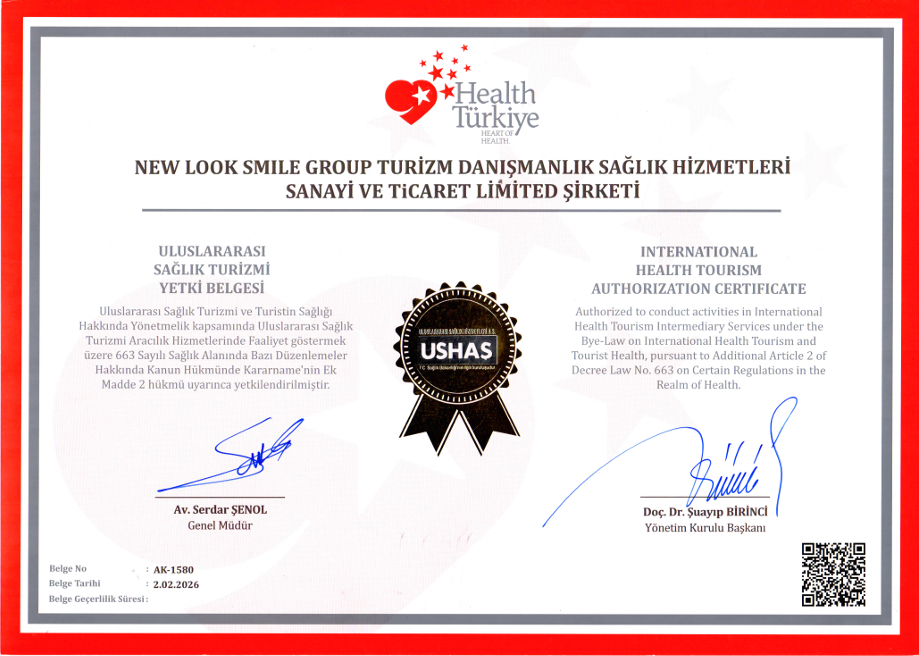
Ministry of Health Authorized — International Health Tourism Authorization, Certificate AK-1580. Click the certificate to view it in full.